Reading the Shoe Before You Touch a Single Chip
Walking up to a live blackjack table in a US casino for the first time is not about luck—it is about decoding the physical mechanics before you hand over a dime. Most first-timers freeze because they treat the felt like a slot machine, but this is a skill game with visible data streams. The dealer's upcard, the discard tray depth, and the table minimum sign are your first three data points. Ignore them and you are just donating cash to the house edge.
First rule: never sit down until you confirm the table minimum and maximum posted on the felt. In US casinos, these limits are legally binding and the pit boss will enforce them without mercy. If the sign says $25 minimum, you cannot buy in for $20 and expect to play. The dealer will politely but firmly redirect you. 💰 Know your bankroll ceiling before you even approach the table.
The Physical Mechanics of Placing Your First Bet
Here is where rookies screw up. At a US live blackjack table, you do not hand cash directly to the dealer mid-hand. Wait for the current round to finish, then place your cash flat on the felt in front of your betting box. The dealer will exchange it for chips and push them toward you. Count your chips before the next hand begins—shortchanging disputes are rare but they happen when players do not verify.
Once you have chips, place your wager inside the betting circle, not on the line, not near the edge. The table minimum must be met every single hand. If you want to sit out, place your chips behind your betting circle—this signals the dealer you are not playing that round. Do not verbally announce it; the physical placement is the protocol.
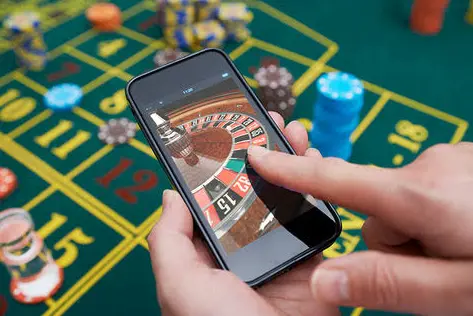
Chip Stacking and the Color Code Nobody Explains
US casinos use standardized chip colors: white is typically $1, red is $5, green is $25, black is $100, and purple is $500. But do not assume—ask the dealer to confirm denominations when you buy in. Stack your chips in clean columns so the pit boss can evaluate your average bet. Sloppy stacks invite scrutiny and slow the game down, which annoys everyone at the table.
When you win a hand, the dealer pays you in chips and leaves your original bet in the circle. Do not grab your wager back—that is a classic beginner mistake that causes disputes. The dealer handles the flow. Your job is to signal your decision correctly: hit, stand, double, or split. Use hand gestures, not verbal calls, because the eye-in-the-sky surveillance system reads gestures and the dealer needs visual confirmation for the live blackjack table record.
Signaling Decisions Without Looking Like a Tourist
Card tapping is the universal language. Tap the felt with your index finger to hit. Wave your hand flat over your cards to stand. For double down, place an additional chip equal to your original bet next to your wager and raise one finger. For splits, place a matching chip beside your original bet and make a V-sign with two fingers. These gestures are non-negotiable in US casinos—verbal instructions create ambiguity and the dealer will ask you to repeat yourself, which kills your table presence.
One more thing: never touch your cards in a face-up game. US live tables typically deal face-up from a shoe, and your cards stay on the felt. Only touch them in face-down pitch games, which are rare in major US markets. If you grab the cards in a face-up game, the dealer will snap at you and the pit boss will mark you as a liability. 🎯

Buy-In Timing and Table Etiquette That Protects Your Bankroll
Never buy in mid-hand. Wait for the dealer to finish paying winners and collecting losing bets. Place your cash on the felt between rounds, and the dealer will convert it. If you are joining a table with a live dealer shuffle in progress, wait for the cut card to be inserted before sitting down—this shows respect for the game flow and the dealer will treat you better.
Table etiquette is not about being polite; it is about protecting your money. Do not comment on other players' decisions, do not touch other players' chips, and do not ask the dealer for strategy advice. The dealer is not your coach—they are a mechanic. Your edge comes from understanding the physical protocol and the math, not from socializing. The pit boss watches average bet and time at table, and your rating determines your comps. Play tight, bet consistently, and keep your chip stack visible.
The Shoe Penetration and Why It Matters on Your First Hand
Before you place a single chip, glance at the discard tray and the shoe. In a six-deck game, if the discard tray is already half full, you are entering a shallow penetration scenario—the cut card will appear sooner, reducing your exposure to unfavorable counts. US live tables vary wildly in penetration depth, and a first-timer who ignores this detail is playing blind. The dealer will not tell you the penetration percentage, but you can estimate it from the tray height and the shoe size. That single observation separates a calculated entrant from a mark.