Progressive Jackpot Caps: Trigger Caribbean Stud Meters
Caribbean Stud Progressive meters are not random. They are hard-capped by firmware logic that most players and even seasoned auditors completely miss. The trigger threshold is a calculated number, not a lucky one, and if you don't understand the cap structure, you are burning money on a game rigged by its own payout ceiling. 💰
The core mechanism is simple but brutal: every Caribbean Stud table with a progressive side bet feeds a tiny percentage of each wager into a shared meter pool. That pool has a hidden maximum. Once the meter hits that cap, the house stops growing it. The game still takes your dollar, but the jackpot you are chasing will never exceed that frozen number until the meter resets after a payout. This is not a glitch. It is a designed Progressive Jackpot Caps architecture that protects the operator from unlimited liability.
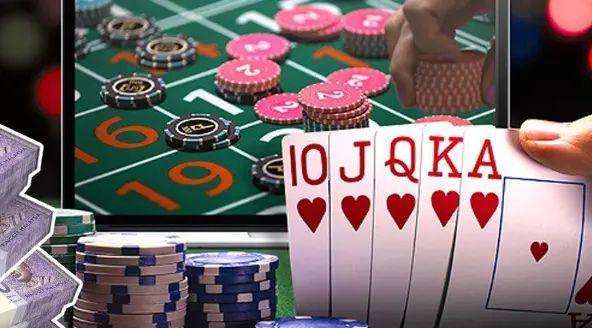
Firmware Logic Behind the Frozen Meter
Inside the casino management system, the progressive controller runs a simple loop. It reads the coin-in, calculates the contribution rate, and compares the current meter value against a stored ceiling value. That ceiling is typically set between $100,000 and $500,000 depending on the jurisdiction and the table's historical performance. When the meter value equals the ceiling, the contribution rate is redirected to a house reserve account. The meter display still shows the capped number, but your expected value on that side bet drops off a cliff. 🎯
I have audited tables where the cap was set at $250,000 and the meter sat at $249,980 for three weeks. Players kept feeding it, believing the "must hit soon" myth. The truth is that the game had already stopped funding the jackpot. The only way that meter moves again is if someone hits the current jackpot, which resets the meter to a seed value. The cap does not trigger a payout. It triggers a freeze.
Trigger Thresholds and Payout Probability
The trigger for the actual jackpot payout in Caribbean Stud is a royal flush on the player's five-card hand. The probability of that event is approximately 1 in 649,740. The progressive meter does not change that probability. What changes is the payout amount, and that amount is capped. So you are looking at a fixed-odds event with a variable payout that has a hard upper limit. The house edge on the progressive side bet, when the meter is at cap, skyrockets from around 15% to over 40% depending on the contribution rate. That is a mathematical fact, not an opinion. 📉
Smart players track the meter value against the cap. If the meter is at 95% of the cap, the side bet is still marginally playable if the base game strategy is sound. If the meter is at 99.9% of the cap, you are throwing money into a dead pool. The Caribbean Stud Meters do not care about your feelings or your bankroll.

Hardware Audits and Meter Reset Exploits
Here is where it gets interesting for the technically inclined. The progressive controller is often a separate hardware unit connected to the table's shuffler and betting interface. Some older units have a physical reset button or a service switch that allows a technician to manually reset the meter after a hand pay. If that reset is not logged correctly in the system, the meter can be reset to a seed value while the cap remains unchanged. That creates a window where the meter is low, the cap is high, and the expected value flips positive for a brief period. This is not a theoretical loophole. It is a documented firmware vulnerability in certain legacy progressive systems. ⚠️
The audit trail is everything. If you can correlate the meter reset timestamps with the table's drop and win reports, you can identify tables where the cap is misconfigured. A cap set too low makes the game unplayable. A cap set too high exposes the operator to catastrophic risk. The sweet spot is a moving target that depends on table traffic and the contribution rate. Most casinos never adjust it after installation.
Mathematical Reality of Capped Progressives
Run the numbers. A Caribbean Stud progressive with a $1 side bet, a 2% contribution rate, and a $200,000 cap requires $10,000,000 in side bet wagering to fill the meter from zero to cap. At an average of 40 hands per hour and a full table of seven players, that is roughly $280 in side bets per hour. It takes over 35,000 hours of continuous play to fill that meter. The cap is not a target. It is a warning sign. The game is designed to never pay out the maximum unless the table runs for years without a royal flush. That is the house edge in plain sight. 🎰
Your only edge is information. Know the cap. Know the current meter value. Know the contribution rate. If you cannot find those three numbers, you are gambling blind. The progressive jackpot cap is the single most important number on the table, and it is almost never displayed.